
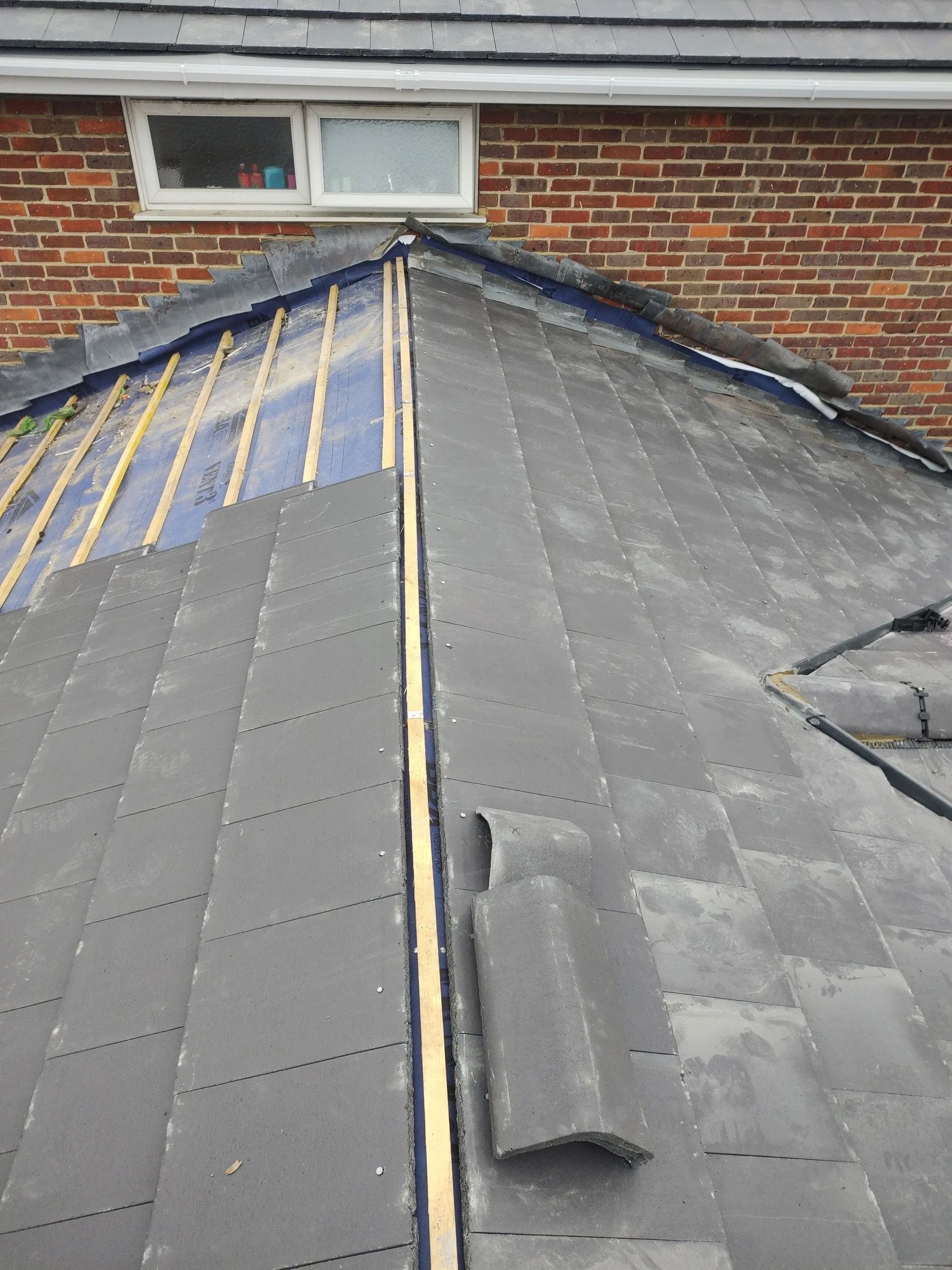
Storm Damage to Your Roof? What to Do First

After a big storm, a damaged roof needs calm, quick action, not panic.


Oxfordshire sees its share of rough weather. Recent autumn and winter storm seasons have battered properties across the county, and exposed rural homes on the outskirts of Bicester have taken some of the hardest hits. Loose ridge tiles, torn flashing, and blocked gutters are common results. The good news is that acting in the right order makes everything easier, including any insurance claim you need to make.


Here is what to do, step by step.


Make It Safe First


Your first job is to keep people safe. That means staying off the roof entirely. A wet, wind-damaged roof is unstable ground, and amateur inspection from above causes more injuries and more damage than it prevents. Do not climb up to check the tiles yourself.

Instead, start from inside the house.


Check the loft.
Go up with a torch and look for daylight coming through, damp patches on the timbers, or water pooling on the insulation. If you see any of these, you have a breach somewhere in the roof covering.


Contain any water ingress.
Put buckets under active drips. Lay down old towels to protect floors and ceilings. If water is coming through a light fitting, switch off the circuit at the consumer unit and leave it off until a qualified electrician has checked it.


Move valuables away from the affected area.
Water travels further than you expect. A drip in one corner can run along a joist and appear several feet away. Move furniture, electronics, and anything irreplaceable out of the room if you can.


Check outside from ground level.
Walk around the property and look up. Missing tiles, sagging gutters, damaged fascias, or debris on the roof are all visible from the ground. Take note of what you can see without getting close to the building.


If the roof is severely compromised and water is entering in volume, call our emergency line now. We cover Bicester, Thame, Oxford, and the surrounding villages, and we can get someone out to you quickly. Emergency calls go to 07451 293917.


Document the Damage for Insurance


Before any repair work starts, you need a clear record of what the storm did. Insurers expect evidence, and the more thorough your documentation, the smoother your claim will be.


Photograph everything you can safely see.
Use your phone and take wide shots to establish context, then closer shots to show specific damage. Photograph from multiple angles. Date and time stamps are useful, so make sure your phone's camera is set to record them.


Write down what you observed inside.
Note where you saw water coming in, what time the storm was at its worst, and how quickly the ingress started. A short written account, even a few sentences, helps insurers understand the sequence of events.


Keep any debris that has fallen.
Ridge tiles, sections of flashing, or pieces of felt that have come off the roof can all be used as evidence. Put them somewhere dry if you can.


Contact your insurer promptly.
Most household policies require you to report storm damage within a set timeframe. Check your policy documents and make the call. Let them know you are arranging a professional inspection and that you will have a written report.


This is where a professional inspection matters beyond just identifying what needs fixing. At M&C, we are fully insured and familiar with what insurers need to see. We can provide a written assessment of the damage that you can submit alongside your claim. We have helped homeowners across Oxfordshire navigate this process, and a clear professional report often speeds up a decision from the insurer considerably.


Book an inspection as soon as possible. Do not wait for the weather to improve by several weeks. Further rain on an already-damaged roof can turn a manageable repair into a much larger job.


How Emergency and Follow-Up Repairs Work with M&C


Once you have made the property safe and started the documentation process, the repair itself can begin. We handle storm damage in two stages, and understanding this helps you plan.


Emergency weatherproofing comes first. If there is an active breach in the roof, the priority is stopping water from getting in while a full assessment takes place. This might mean securing loose tiles, temporarily covering an exposed section, or making safe any flashing that has lifted. Emergency work is not the finished repair. It is a holding measure to protect your home while we plan the proper fix.


A full inspection follows. Once it is safe to do so, one of our team will carry out a thorough inspection of the roof. We look beyond the obvious damage to check whether the storm has weakened anything else. Ridge tiles, valleys, lead flashings around chimneys, and the condition of the felt beneath the tiles all need checking after a significant storm. Homes in rural areas around Bicester, where roofs are more exposed to open-field winds, often have secondary damage that is not immediately visible from the ground.


The repair or replacement is then planned properly. Depending on what we find, you might need targeted roof repair services to a specific section, or in cases where the roof is older and the storm has accelerated existing deterioration, a full replacement might be the more cost-effective long-term answer. We will explain what we find, give you options, and let you make the decision without pressure.


Insurance documentation is part of our process. We know that many homeowners going through storm damage are also managing an insurance claim at the same time. We can provide the written evidence your insurer needs, and we are used to working alongside the claims process rather than around it.


We have been working on Oxfordshire roofs for more than 30 years, and the M&C name has been established for 20 of those. We carry full insurance on all our work and back every job with a written guarantee on workmanship. When a storm has left you in a difficult position, you need a contractor who will give you a straight answer and get on with the job.


Our
roof repair services cover everything from a single lifted tile to sections of roof that have taken serious structural damage. Whatever the storm has left behind, we will tell you exactly what it needs.


If you have storm damage and need a professional eye on it, get in touch with us to book a free, no-obligation inspection and quote. You can reach our
contact page to send an enquiry, or call directly: Bicester 01869 931016, Thame 01844 614317, Oxford 01865 679011, or our emergency line on 07451 293917.


Share this article

Recent Posts

Loose and Slipped Roof Tiles
October 12, 2026
Discover why roof tiles slip, the risks of leaving them unrepaired and when to seek professional roof repairs across Oxfordshire.
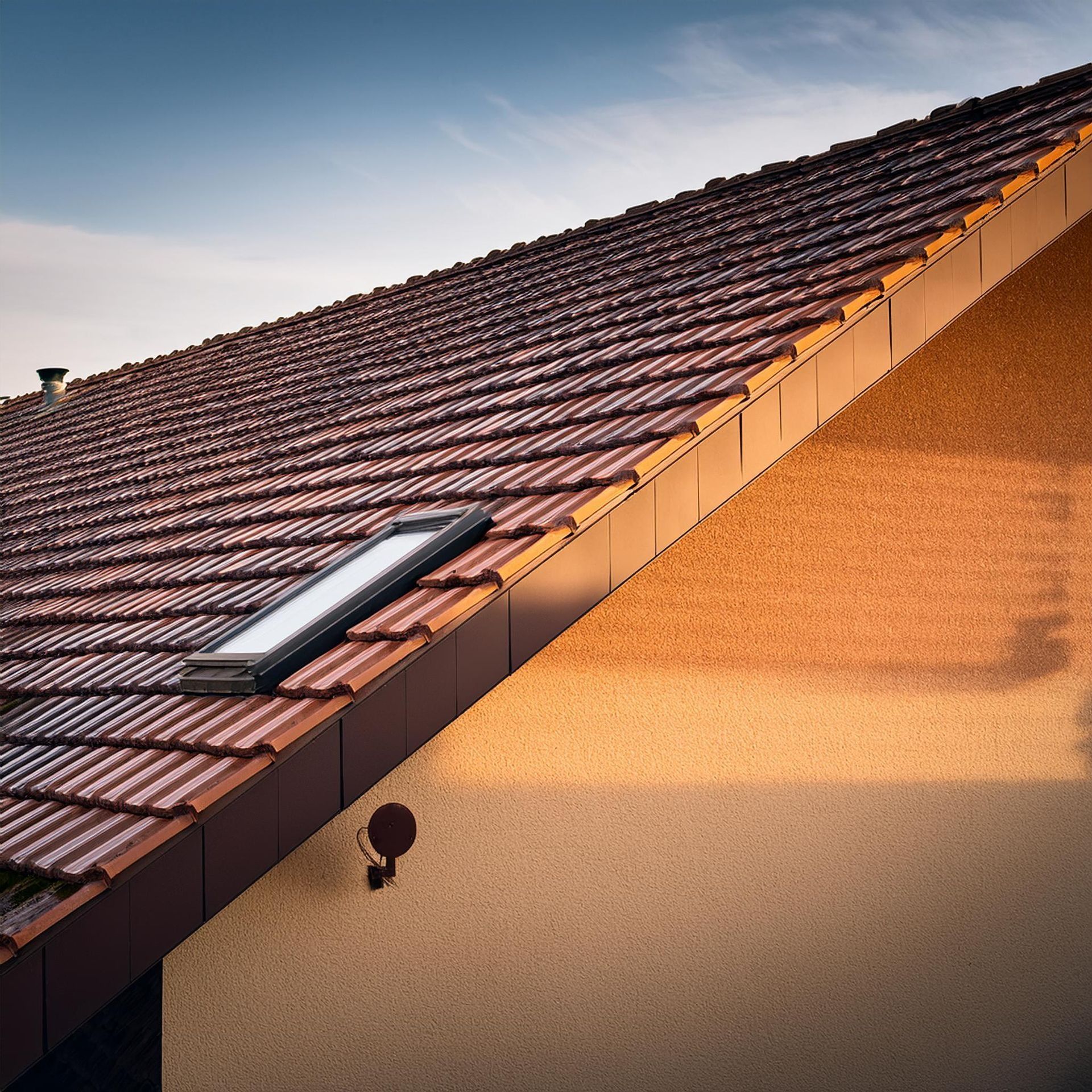
Red tiled roof with a skylight on a beige house under a blue sky
September 14, 2026
Get your roof ready for winter with this essential autumn roof checklist to help prevent leaks, damage and costly repairs.
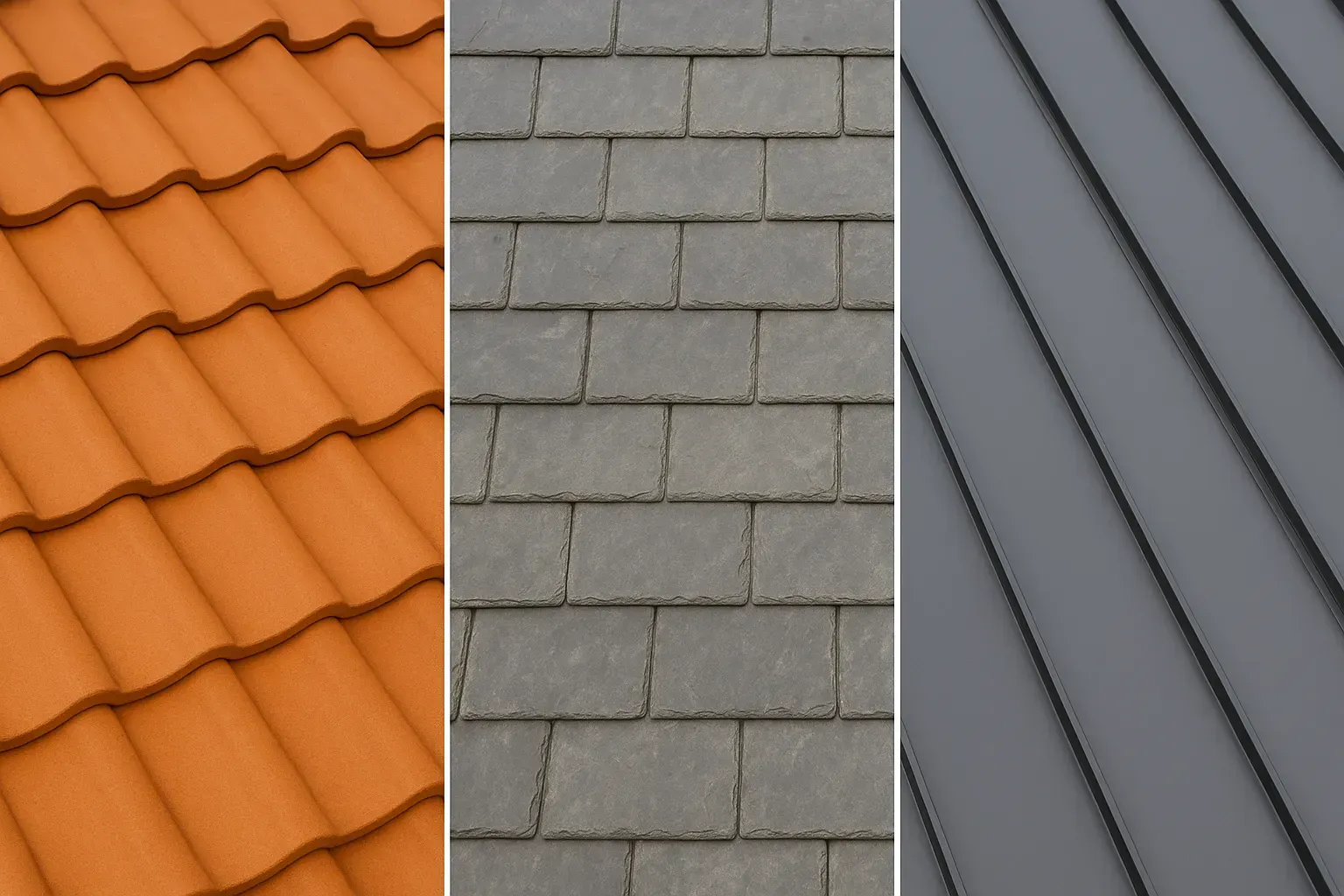
Three types of roofing materials: clay roof tiles, slate tiles and standing seam metal roofing
August 31, 2026
Discover 7 signs your roof may need replacing, from leaks and damaged tiles to sagging and ageing materials.
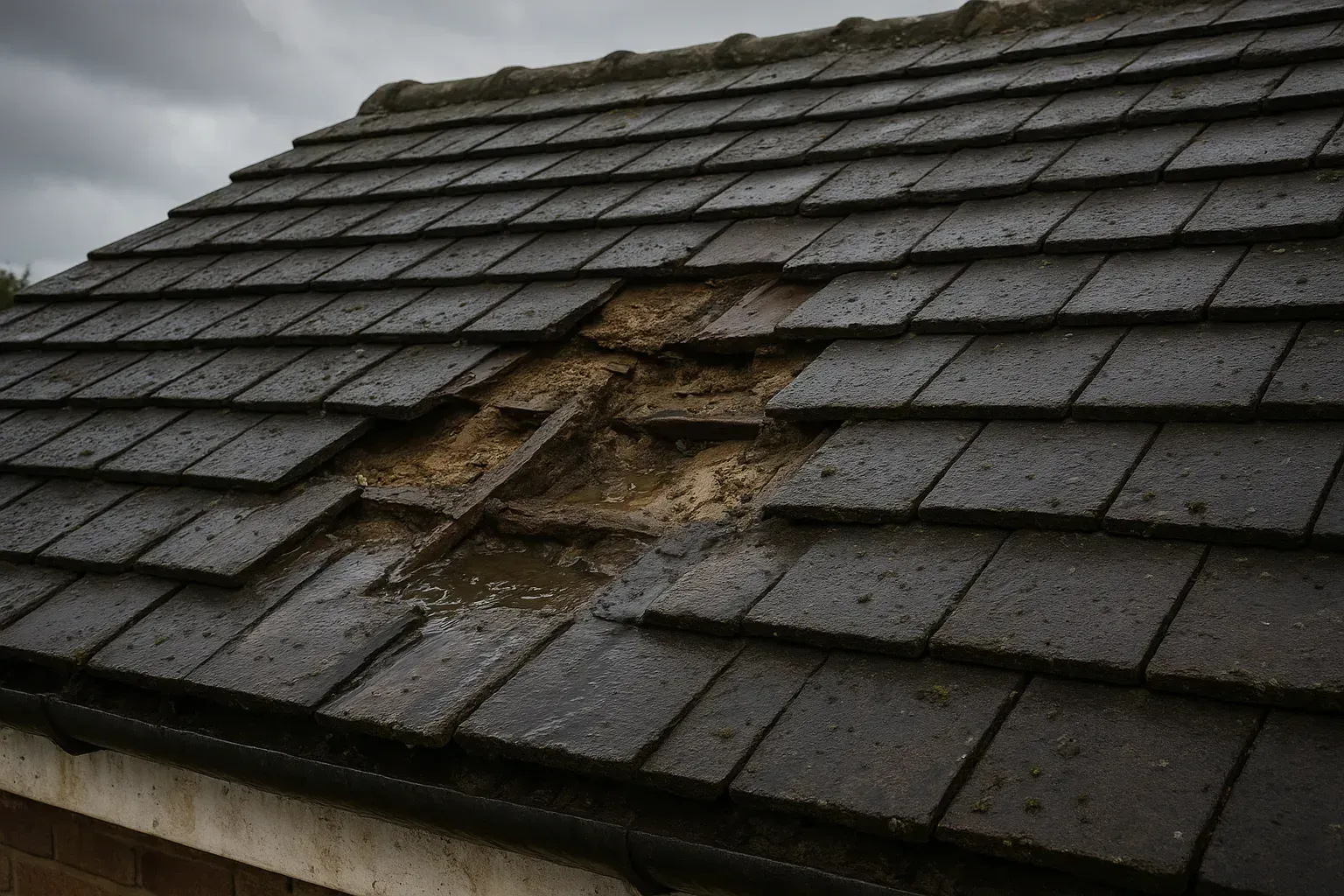
August 17, 2026
A full re-roof sounds daunting, but a well-run job is more orderly than most people expect. Most of the anxiety comes from not knowing what happens, and when. Once you understand the three steps, the process makes sense. This is exactly how we run every roof replacement we carry out for homeowners across Bicester and Oxfordshire. Step One: The Free Inspection and Written Quote Everything starts with a proper look at your roof. We do not quote from the ground or from a photograph. One of our team will get up there, check the structure, and tell you honestly what needs doing. We look at the condition of the existing covering, the state of the timbers underneath, the flashings, the ridge, the guttering, and anything else that affects how long the new roof will last. If there are problems we can see from the outside, we will tell you. If we find more once the old covering comes off, we will tell you that too, before any extra work begins. You receive a written quote that sets out exactly what is included. No vague estimates, no figures that change once we are on site. Why written? Because it protects you. You know what you are paying for before a single tile is lifted. We have worked on occupied family homes in Bicester for more than 30 years, and a clear, agreed quote is the foundation of a job that goes smoothly for everyone. There is no charge for the inspection, and no obligation to go ahead. If you decide the time is not right, that is fine. Step Two: The Work Itself Once you accept the quote and we agree a start date, the job moves in a clear sequence. Scaffolding goes up first. For most pitched roof replacements, scaffolding is needed. This is standard practice and keeps our crew safe while they work. It also protects your property. We arrange the scaffold erection before work begins, so the roofers are ready to start on day one. The old covering comes off. The existing tiles, slates, or felt are stripped back carefully. We use rubbish chutes or controlled lowering to bring material down without damaging your garden, paths, or brickwork. Skips are positioned to keep the site tidy as we go. The structure is checked. With the covering removed, we inspect the roof timbers. If any rafters or battens need attention, we deal with that before anything goes back on. This is the stage where any hidden problems become visible. We will always talk to you before carrying out work beyond what was quoted. The new covering goes on. Battens are fixed, new felt or membrane is laid, and the tiles or slates are fixed in place. Ridge tiles, hip tiles, and any leadwork are completed as part of the job. We do not leave a roof half-finished overnight if we can help it. Guttering, fascias, and flashings are finished. These details matter. A new roof covering with failing flashings or blocked gutters will cause problems within months. We make sure the whole system works together. How long does a roof replacement take? This is the question we hear most often, and the honest answer is that it depends on the size and complexity of the roof. A standard semi-detached house in Bicester or a typical Oxfordshire terrace will usually take three to five working days for the roof itself, once scaffolding is in place. A larger detached property, or one with dormers, a complex ridge line, or chimneys, may take a week to ten days. Scaffolding is usually up for a day or two before work starts and comes down a day or two after we finish, so allow for that in your overall timescale. We work on occupied homes. You do not need to move out. There will be noise during working hours, and you will see activity outside, but the inside of your home is unaffected. We aim to leave the site tidy at the end of each day. Rubbish is cleared, tools are stored, and access to your front door and garden is kept clear. Our crews are respectful of the fact that this is your home. We have been working in people's houses and gardens across Oxfordshire for a long time, and we know that how a job is run matters as much as the finished result. Step Three: Sign-Off and Your Written Guarantee When the work is complete, we do a final walk-round with you. We want you to see the finished roof, ask any questions, and be satisfied before we pack up. We go through what was done, point out anything worth knowing for the future, and make sure you are happy with the tidiness of the site. The scaffold comes down once we are confident everything is right. Your written guarantee covers our workmanship. If something we did causes a problem, we come back and put it right. That is a commitment in writing, not just a verbal promise. We are fully insured as well, so you have proper protection throughout the job and afterwards. We have been trading under the M&C name for 20 years, and the same family has worked on Oxfordshire roofs for more than 30. Our reputation is built on jobs that are done properly and on customers who feel looked after. A written guarantee is part of that. Keep the paperwork somewhere safe. If you sell your home, a guarantee from a reputable local contractor adds weight to your property's history and can be passed on to a buyer. A re-roof is a significant job, but it follows a clear path. A thorough inspection, a well-run few days on site, and a signed-off finish with a written guarantee. That is what you should expect from any contractor you choose. To book your free, no-obligation inspection and written quote, get in touch with our team through our contact page.
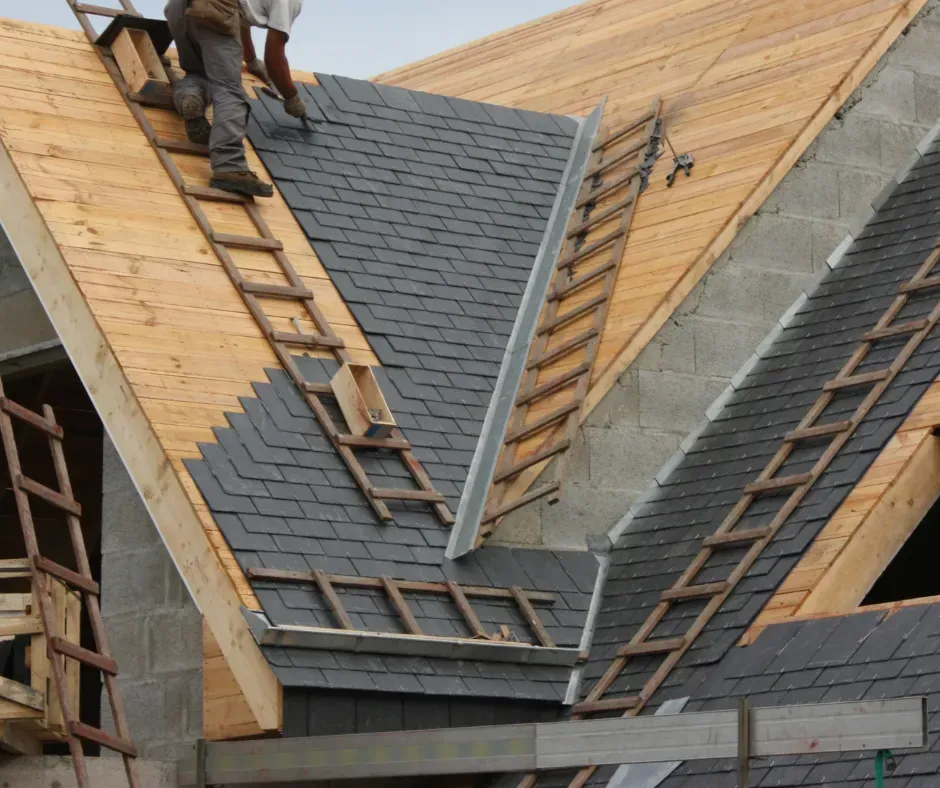
July 20, 2026
Looking for a trusted roofer in Bicester? Learn how to choose a reliable roofing contractor, spot rogue traders and protect your home with confidence.
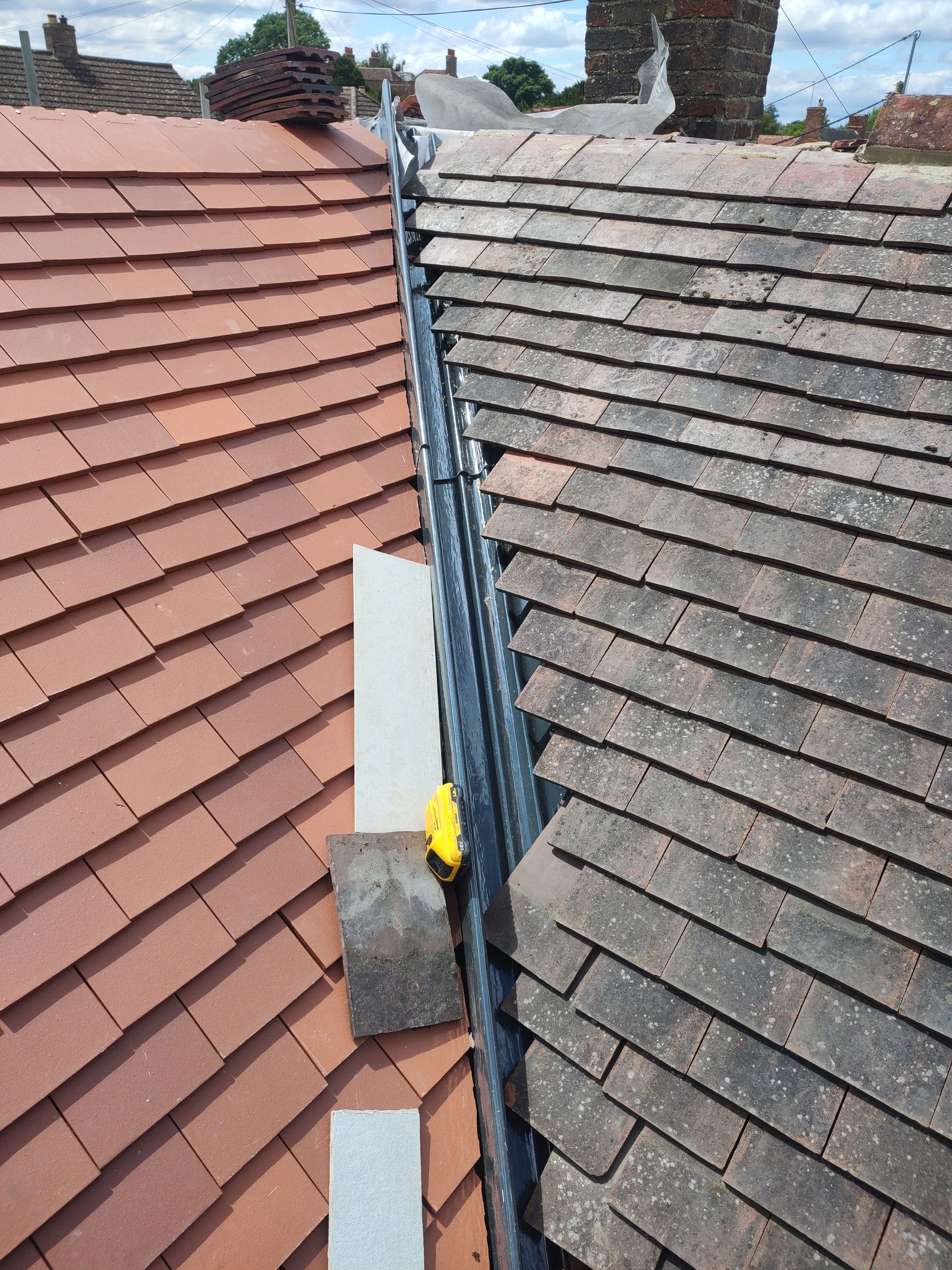
Roof valley between red and gray tiled roofs, with a blue tarp and a yellow tool below.
By Winston CRM • July 8, 2026
Not sure whether your roof needs repairing or replacing? Learn the key signs, understand your options and book a free roof inspection with trusted roofing specialists serving Bicester, Thame, Oxford and Oxfordshire.
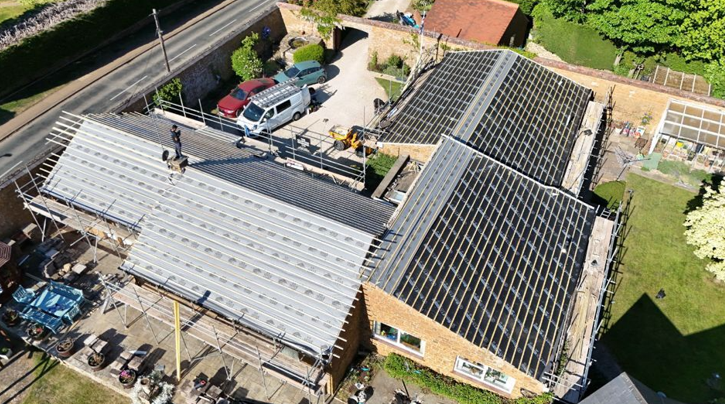
New roof installation on a residential property
June 22, 2026
Planning a new roof in Oxfordshire? Discover realistic 2026 cost ranges for re-roofing. Book your free, no-obligation inspection with M&C Roofing today.

Worker installing dark roof shingles on a house roof frame
May 30, 2026
Learn how to protect your roof from heavy autumn rain. Schedule your roof inspection & maintenance with M&C Roofing today!

Silhouette of a worker on a roof using a hammer against a blue sky
May 26, 2026
Get expert roof repair & replacement with a 10-year guarantee. Trust M&C Roofing for personalized service. Contact us today!
Show More