Flat Roofs vs Pitched Roofs: Which is Better for Your Home?
When it comes to choosing the right roofing system for your home, there’s no one-size-fits-all answer. The decision between flat roofs and pitched roofs ultimately depends on several factors, including your property type, personal preferences, and practical needs. Each roof design has its pros and cons, and making an informed choice is crucial to ensuring both structural integrity and long-term satisfaction. Whether you're building a new home or replacing an old roof, this guide is tailored to help you decide on the best option for your property.
What Are Flat Roofs?
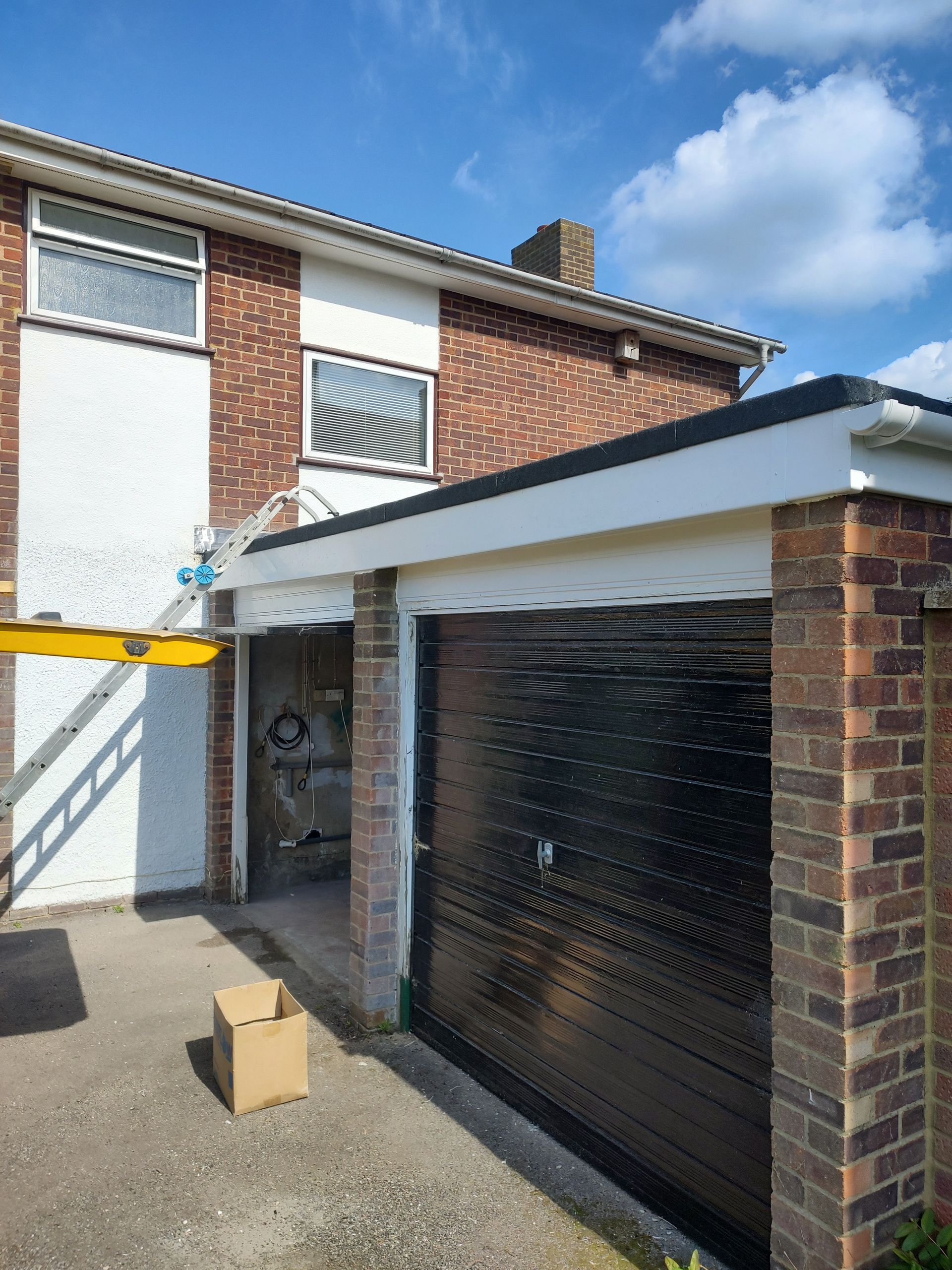
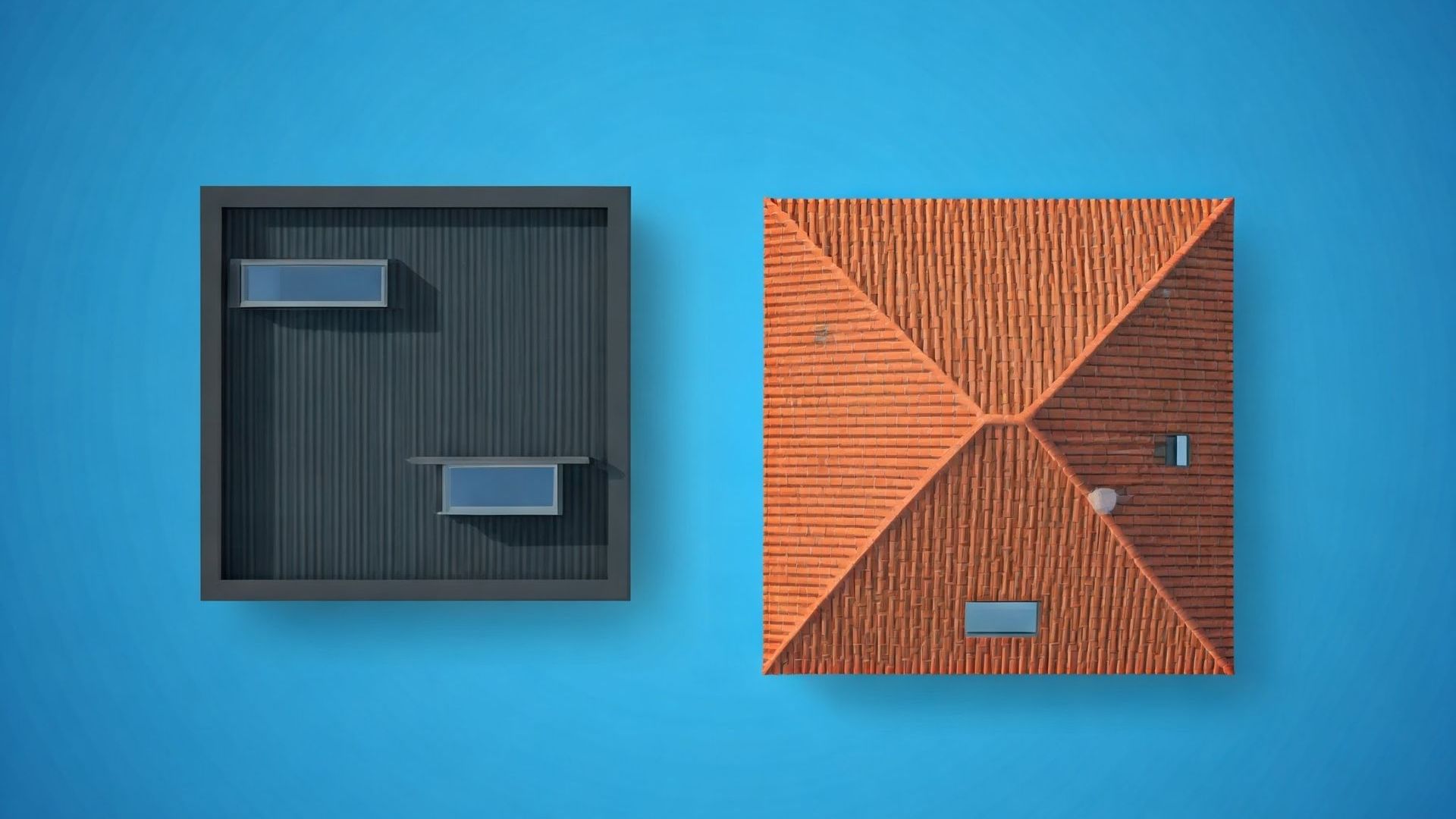
Flat roofs are characterised by their nearly level design, typically featuring a slight incline (called a "pitch") to allow for water drainage. Although common in commercial and industrial buildings, flat roofs are also popular for modern residential properties in the UK, particularly in urban areas. They create a sleek, contemporary aesthetic and are particularly suited to minimalist or modern architectural styles.
Flat roof construction often uses materials such as felt, EPDM rubber, or GRP (glass-reinforced plastic). While their visual appeal might lend itself to contemporary designs, their practicality depends on the needs of the homeowner.
What Are Pitched Roofs?
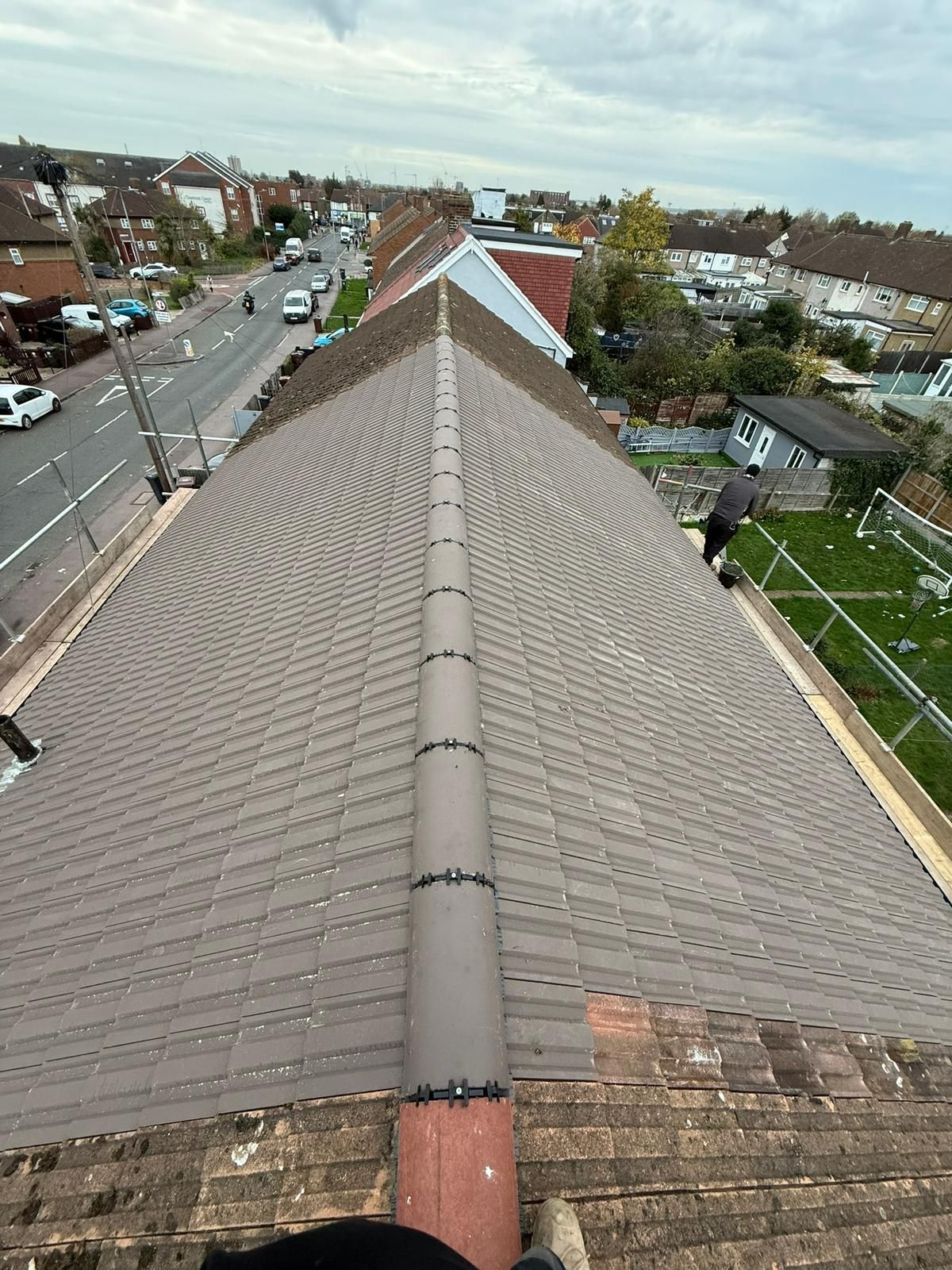
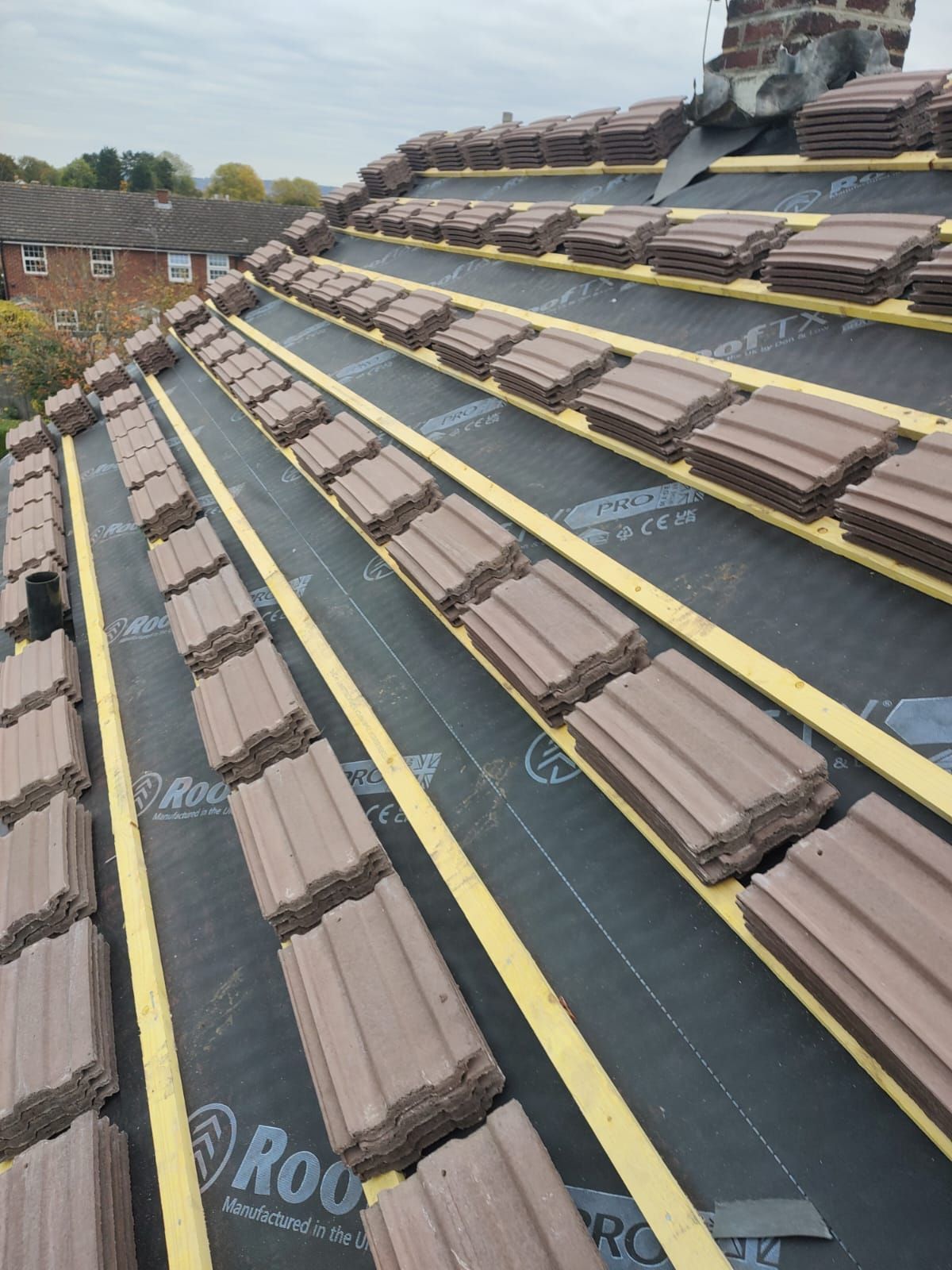
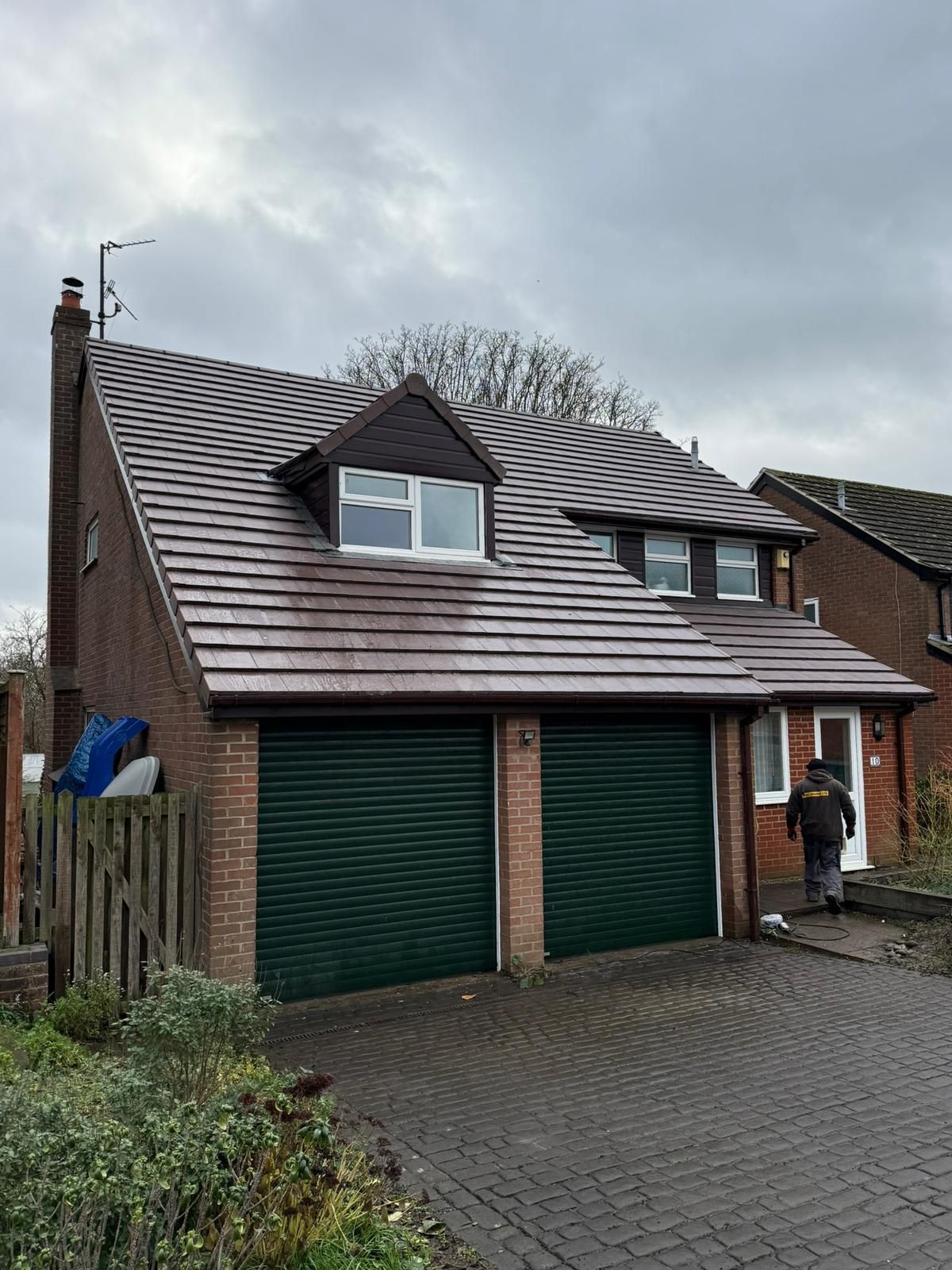
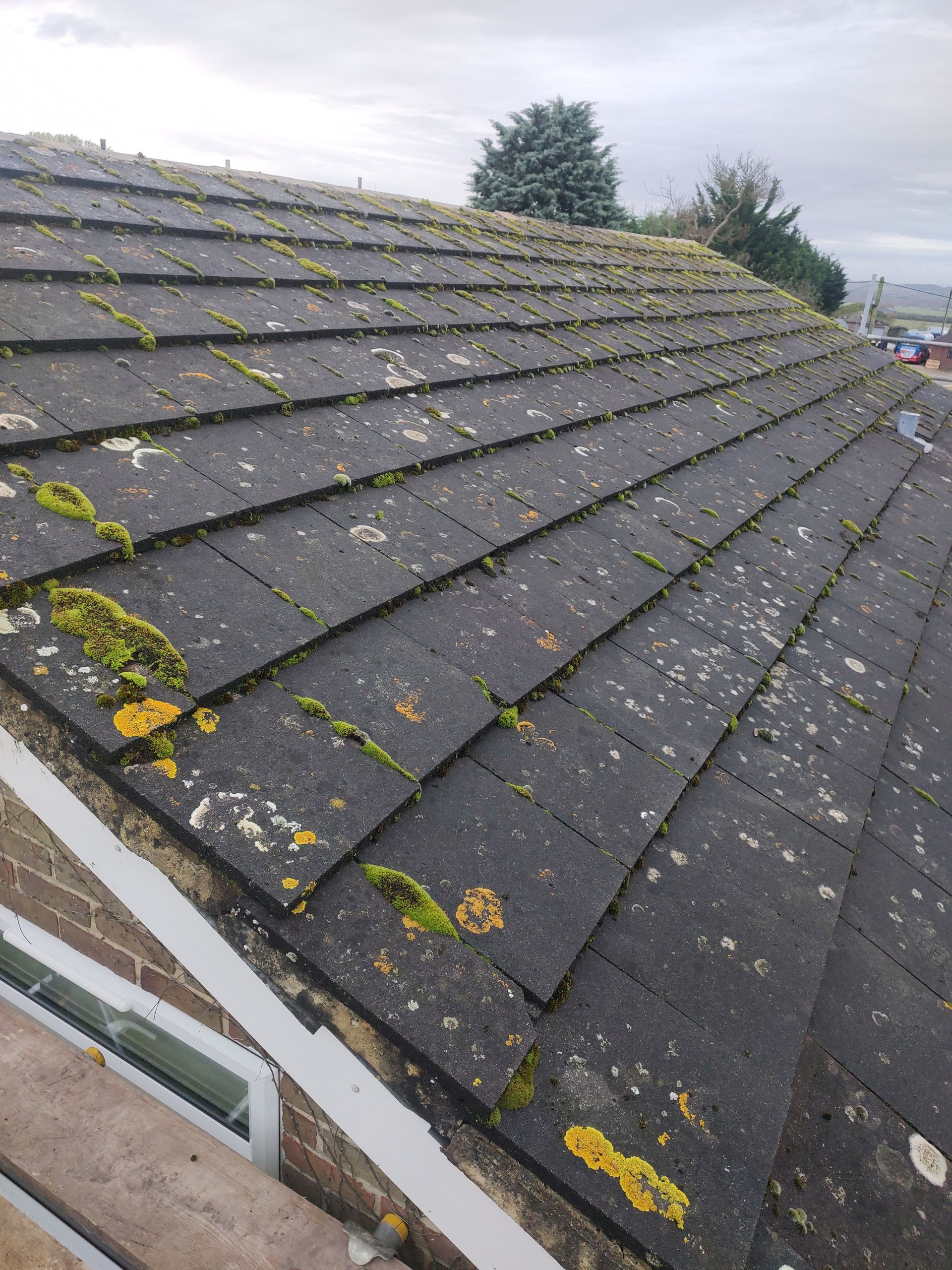
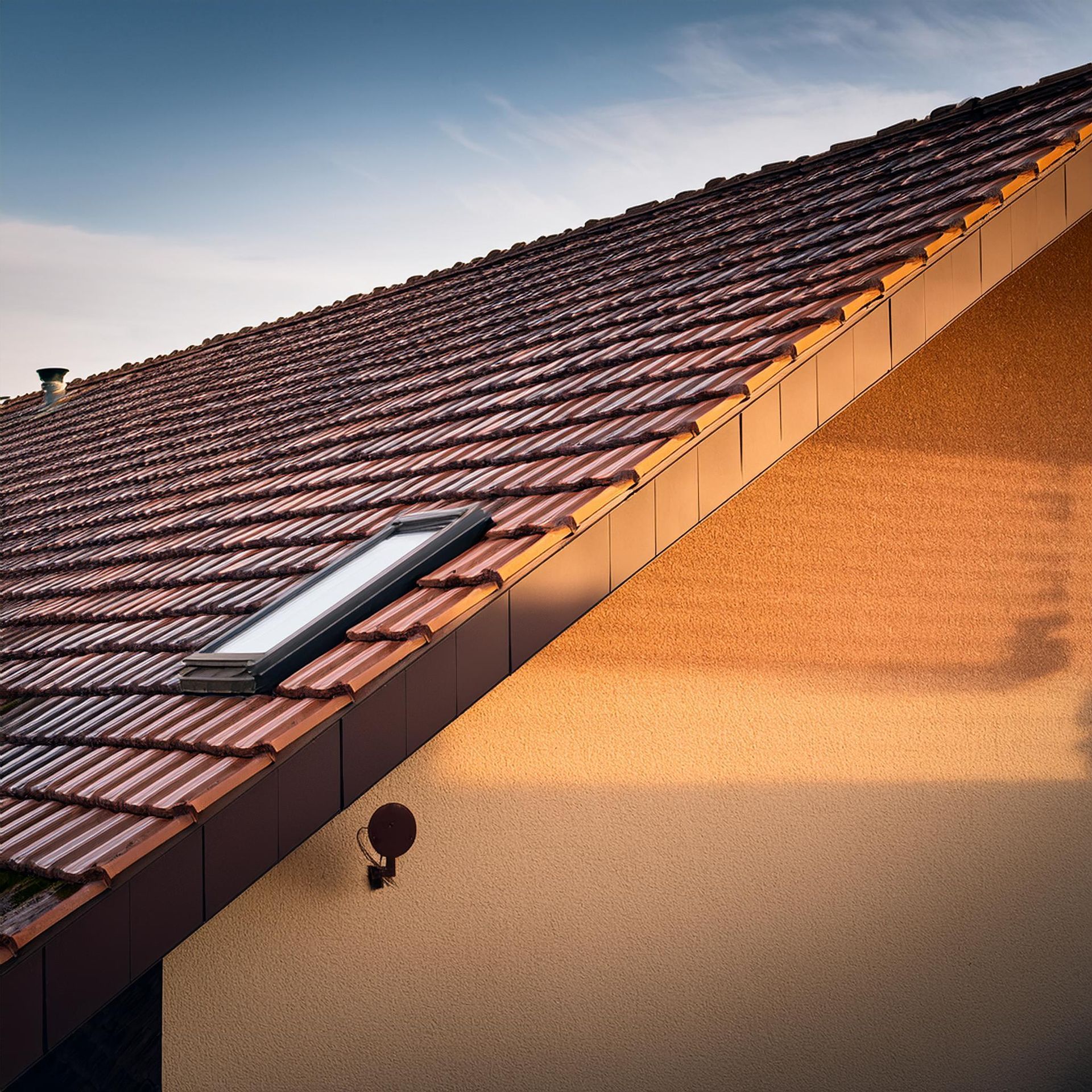
Pitched roofs are traditional and instantly recognisable for their sloped design. They typically feature two sides that meet at a peak, forming a triangular structure. Pitched roofs are more common in suburban and rural parts of the UK, and materials like slate, clay, or concrete are often used in construction. Due to their angled structure, they suit classic and traditional architectural styles and are significantly effective in shedding water, snow, and debris.
Key Considerations When Choosing Between Flat and Pitched Roofs
1. Aesthetic Appeal
The overall look of your home is a major factor when deciding on a roof type. Flat roofs generally lend a modern appearance with their clean, geometric lines, while pitched roofs radiate a classic, timeless charm. If you're planning an extension on a contemporary home or live in a city area like Oxford where modern aesthetics dominate, flat roofs are often the go-to choice. On the other hand, pitched roofs are ideal for preserving the character of older homes or matching the style of traditional properties in rural or suburban neighbourhoods like Bicester or Thame.
2. Weather Resilience in the UK
The UK is known for its unpredictable and often rainy climate, and the roof you choose must perform well in these conditions.
- Flat Roofs: Though flat roofs are designed with a slight incline to prevent water pooling, they are generally more susceptible to leaking. Regular maintenance and high-quality materials, such as EPDM or GRP, are crucial to extending the lifespan of a flat roof in wet weather conditions.
Pitched Roofs: Pitched roofs excel at shedding rainwater and snow, minimising the risk of water damage. Their steep slopes also ensure that debris doesn’t accumulate, reducing the likelihood of blocked gutters or water pooling.
3. Durability and Maintenance
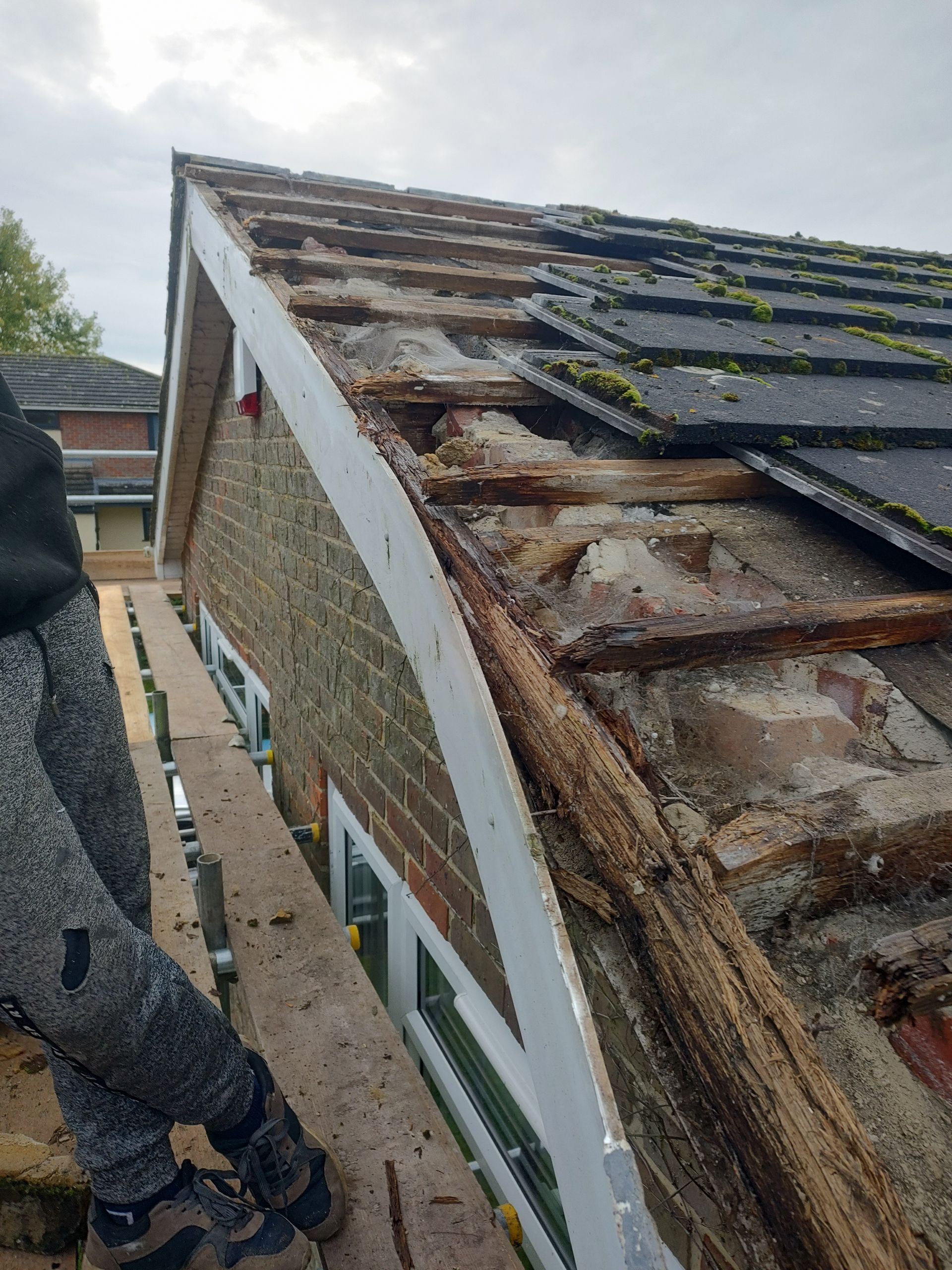
Durability often depends on materials and design. Pitched roofs tend to last longer than flat roofs, often lasting 50 years or more with proper maintenance. Clay tiles and slate are highly durable, making pitched roofs more resilient under harsh weather conditions.
In contrast, traditional flat roofs using felt may need replacing after 10–20 years, although modern materials like EPDM and GRP are more long-lasting. However, flat roofs may require more frequent inspections and maintenance to detect and address minor issues before they escalate.
4. Usable Space
One of the standout benefits of flat roofs is the potential for added usable space. Homeowners in the UK often transform flat roofs into rooftop gardens, terraces, or even solar panel platforms. If outdoor space is at a premium, a flat roof can offer practical and aesthetic benefits.
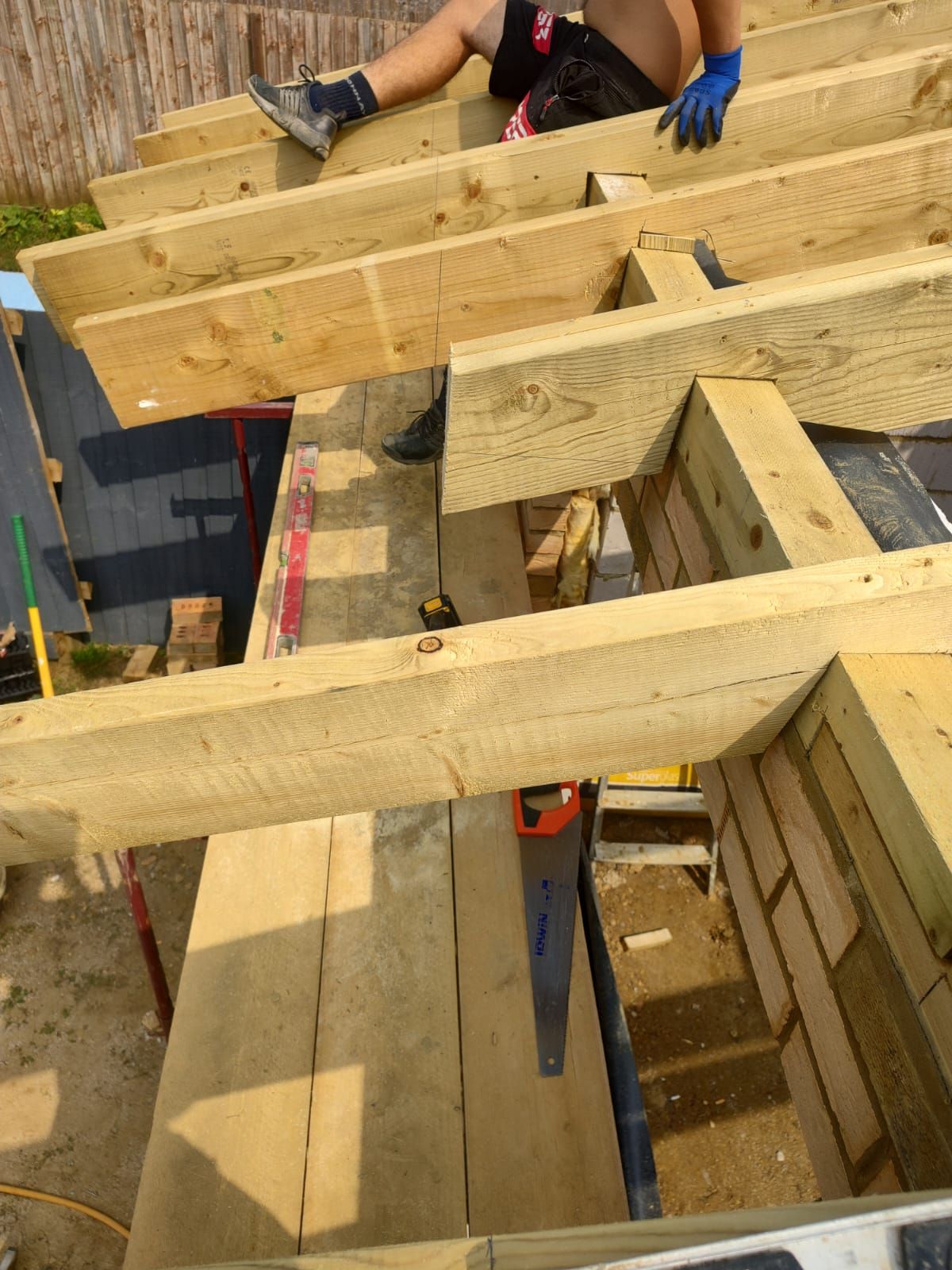
Pitched roofs, however, often create loft spaces that can be converted into additional rooms. For homeowners considering future expansion or conversion projects, this extra room could be invaluable.
5. Cost Considerations
- Flat Roofs: Flat roofs are typically cheaper to install due to their simpler construction and fewer materials. However, if low-quality materials are used, long-term costs can rise due to maintenance needs and shorter lifespans.
Pitched Roofs: The steeper sloping design of pitched roofs requires more materials and labour, making the upfront costs higher. However, their durability and lower long-term maintenance costs often make this option a worthwhile investment.
6. Energy Efficiency
Flat roofs are generally less energy-efficient than pitched roofs—though this largely depends on insulation. With flat roofs, homeowners may need to invest in high-performance insulation to compensate for seasonal heat loss or gain.
Pitched roofs often have natural insulating properties thanks to the loft space beneath them. This buffer zone can help retain warmth in the colder months and cool the interior during summer, making them more energy-efficient overall.
Advantages of Flat Roofs
- Modern Aesthetic: Complement contemporary designs.
- Cost-Effective Installation: Lower initial construction costs.
- Usable Outdoor Space: Can be converted into a rooftop terrace or garden.
- Ease of Access: Simpler to inspect and maintain.
Advantages of Pitched Roofs
- Weather-Resistant: Excellent at water and snow runoff.
- Durable: Longer lifespan with appropriate maintenance.
- Energy Efficiency: Better insulation due to loft space.
- Traditional Charm: Harmonises with classic UK architectural styles.
Understanding Your Property’s Needs
When selecting a roof type, it’s essential to consider the characteristics of your property. For instance:
- Urban Homes: Flat roofs may be more practical and provide the opportunity for outdoor living spaces.
- Period Homes: Pitched roofs can match the historic style, retaining the character of your property.
- Bungalows: Both flat and pitched roofs are options, but consider roof height restrictions in accordance with local planning regulations.
- Extensions: Many homeowners opt for flat roofs on rear or side extensions to avoid overshadowing neighbouring properties.
Making the Right Investment
As experienced roofing specialists at M&C Roofing and Building, we understand that every homeowner’s requirements are unique. While pitched roofs offer greater longevity and superior weather resistance, flat roofs excel in affordability and versatility.
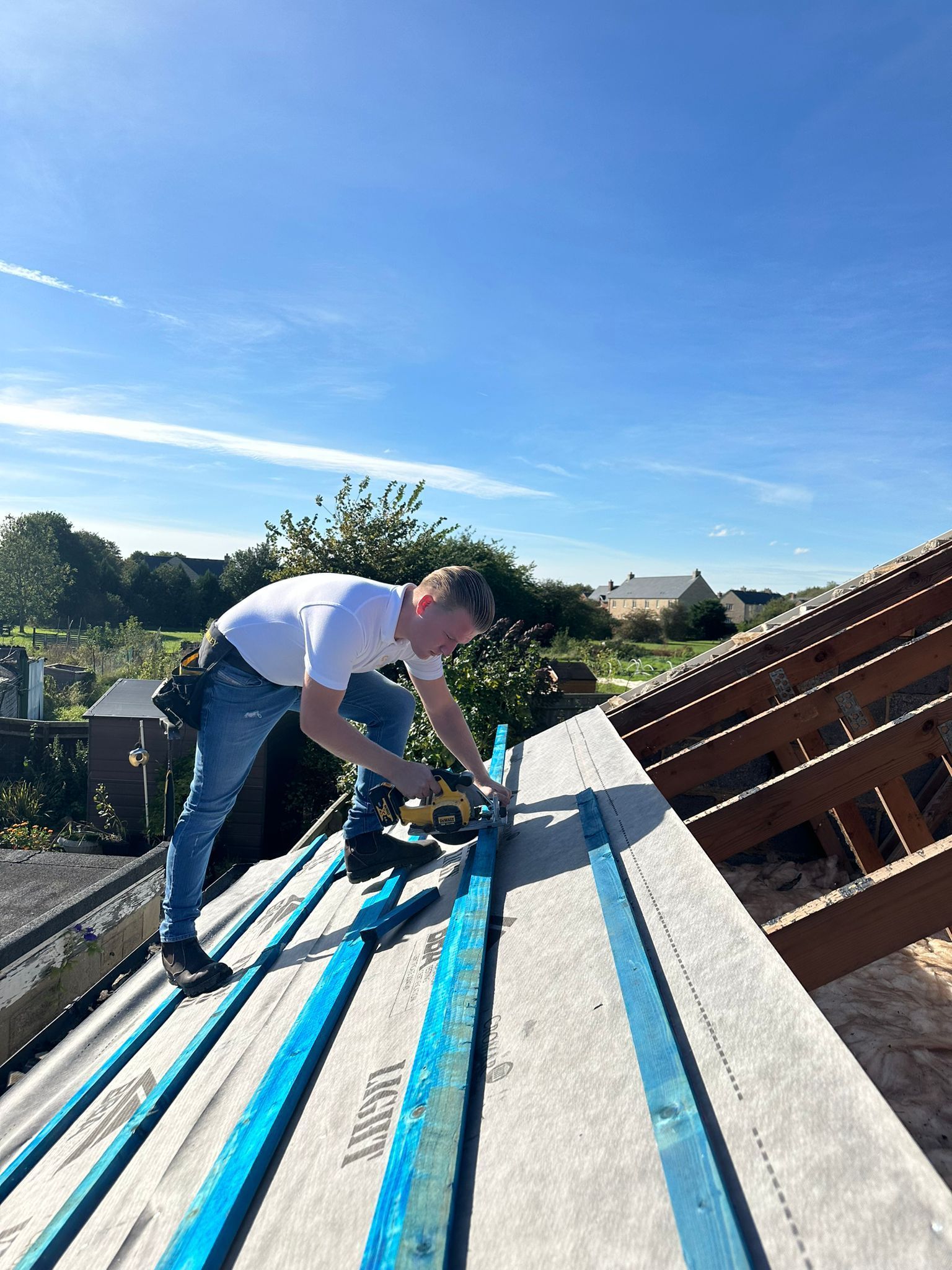
The key to maximising the benefits of either type depends on the quality of the materials used and the expertise of the roofing contractor. We use high-performance materials and industry-leading techniques to ensure that every roof we install stands the test of time. From detailed consultations to bespoke designs, our team will help you achieve a roofing solution that perfectly complements your home.
Still Undecided? Talk to M&C Roofing
Making a roofing decision can feel overwhelming, but you don’t have to go it alone. At M&C Roofing, we’ve been helping homeowners across Biceter, Thame, and Oxford make the best decisions for their properties for years. Whether you're leaning towards a flat or pitched roof, our experts can provide personalised advice tailored to your specific project.
Get in touch with us today for a free consultation and quote!
Conclusion
In the debate of flat roofs versus pitched roofs, the choice ultimately comes down to your personal needs, design preferences, and property type. Flat roofs deliver modernity, cost-effectiveness, and versatility, while pitched roofs offer timeless style, superior durability, and energy efficiency.
No matter which option you choose, M&C Roofing is here to ensure a first-class build that enhances your home's value and functionality. Contact us today to get started on your new roof!